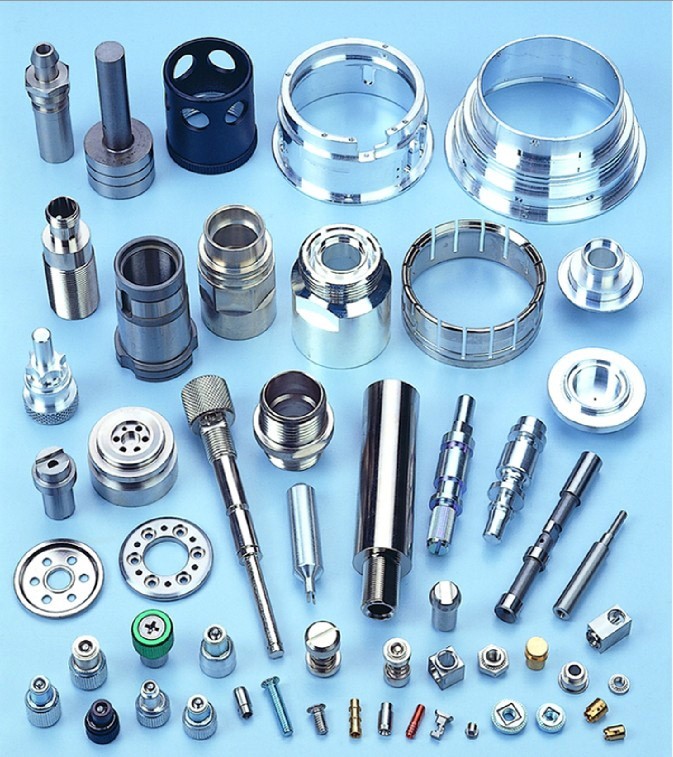
CNC Precision Lathe Machined Parts – High Accuracy, Custom Manufacturing Solutions
CNC Precision Lathe Machined Parts
CNC Precision Lathe Machined Parts are essential components in modern manufacturing, delivering unmatched accuracy, consistency, and efficiency. Utilizing advanced Computer Numerical Control (CNC) technology, these parts are produced through automated turning processes that shape raw materials into precise geometries according to digital designs.
CNC lathe machining is widely used across industries such as aerospace, automotive, electronics, medical devices, and industrial equipment. The ability to produce complex parts with tight tolerances makes CNC turning one of the most reliable and cost-effective manufacturing methods available today.
Unlike traditional machining, CNC lathe systems are fully automated, ensuring repeatability and minimal human error. This results in high-quality parts that meet strict engineering standards and customer specifications.
What is CNC Lathe Machining?
CNC lathe machining is a subtractive manufacturing process where the workpiece rotates while cutting tools remove material to achieve the desired shape. This process is ideal for producing cylindrical or symmetrical components such as shafts, bushings, pins, and connectors.
The CNC lathe operates based on programmed instructions, allowing for precise control over dimensions, surface finishes, and tolerances. Common operations include:
* Turning
* Facing
* Drilling
* Threading
* Grooving
These processes can be combined in a single setup, improving efficiency and reducing production time. According to industry insights, CNC machining integrates multiple processes like lathing, drilling, and milling to achieve complex part geometries with high precision.
Key Advantages of CNC Precision Lathe Machined Parts
1. High Precision and Tight Tolerances
CNC lathe machining can achieve extremely tight tolerances, often within ±0.01 mm or better. This level of precision is critical for industries where component accuracy directly affects performance and safety.
2. Excellent Repeatability
Once programmed, CNC machines can produce identical parts in large volumes without variation. This ensures consistent quality across production batches.
3. Superior Surface Finish
Advanced tooling and controlled cutting parameters result in smooth surface finishes, reducing the need for secondary processing.
4. Wide Material Compatibility
CNC lathe machined parts can be produced from a variety of materials, including:
* Aluminum
* Stainless steel
* Brass
* Copper
* Titanium
* Engineering plastics
Material selection plays a crucial role in performance, durability, and cost optimization.
5. Cost-Effective Production
CNC machining reduces labor costs and material waste while increasing production efficiency. It is ideal for both prototyping and mass production.
6. Complex Geometry Capability
CNC lathes can produce intricate shapes and detailed features that would be difficult or impossible with manual machining.
Applications of CNC Precision Lathe Machined Parts
CNC precision lathe machined components are used in a wide range of industries:
Aerospace Industry
High-precision components such as turbine parts, fasteners, and structural elements require strict tolerances and quality control.
Automotive Industry
CNC parts are widely used in engines, transmissions, braking systems, and suspension components.
Electronics Industry
Small, intricate parts like connectors, housings, and heat sinks demand high precision and consistency.
Medical Equipment
Medical-grade CNC parts must meet strict regulatory standards and require exceptional accuracy and surface quality.
Industrial Machinery
Custom components used in heavy machinery, automation systems, and tooling rely on CNC machining for durability and performance.
CNC machining plays a critical role in modern manufacturing by improving production efficiency, reducing costs, and enhancing product quality.
Manufacturing Process of CNC Lathe Machined Parts
The production of CNC precision lathe machined parts involves several key steps:
1. Design and Engineering
Engineers create detailed CAD models based on customer specifications. These designs define dimensions, tolerances, and material requirements.
2. CNC Programming
The CAD design is converted into CNC code (G-code), which controls the machine’s movements and operations.
3. Material Selection
Appropriate materials are chosen based on mechanical properties, environmental conditions, and application requirements.
4. Machining Process
The CNC lathe performs turning, drilling, and other operations to shape the raw material into the final product.
5. Quality Inspection
Strict quality control measures are implemented throughout the process. In-process inspections and final checks ensure that all parts meet specifications. High-quality manufacturers follow ISO standards and use advanced inspection equipment such as CMM systems to verify accuracy.
6. Surface Treatment
Optional finishing CNC processes include:
Anodizing
Plating (nickel, chrome, zinc)
Polishing
Powder coating
These treatments enhance corrosion resistance, durability, and aesthetics.
Quality Control and Certifications
Quality assurance is a critical aspect of CNC precision machining. Reputable manufacturers implement comprehensive quality control systems, including:
ISO 9001 certification
In-process inspection
Final dimensional verification
Surface finish evaluation
Quality control is not just a final step—it is integrated throughout the entire production process to ensure consistency and reliability.
Custom CNC Lathe Machining Services
Custom CNC precision lathe machining services provide tailored solutions for specific applications. Whether you require prototypes, small batch production, or high-volume manufacturing, CNC machining offers flexibility and scalability.
Customization options include:
Material selection
Dimensional specifications
Surface finishes
Tolerance requirements
Special features and geometries
Working with an experienced CNC manufacturer ensures that your parts meet both functional and cost requirements.
Why Choose CNC Precision Lathe Machined Parts?
Choosing CNC precision lathe machined parts offers several competitive advantages:
Faster production cycles
Reduced human error
Improved product reliability
Enhanced design flexibility
Lower overall manufacturing costs
For businesses seeking high-performance components, CNC machining provides a reliable and scalable solution.